Buy gemeinsam.eu ?
We are moving the project
gemeinsam.eu .
Are you interested in purchasing the domain
gemeinsam.eu ?
domain@kv-gmbh.de · 0541-91531010
Buy gemeinsam.eu ?
What are feeding traces?
Feeding traces are physical evidence left behind by an animal as it feeds on plants or other organisms. These traces can include bite marks, chewed leaves, and other signs of feeding activity. By studying feeding traces, scientists can learn more about the diet and feeding behavior of different animals, as well as the interactions between predators and prey in an ecosystem. **
What are conductive traces?
Conductive traces are pathways on a circuit board that are made of conductive materials, such as copper, and are used to connect different components and carry electrical signals. These traces allow for the flow of electricity between different parts of the circuit, enabling the proper functioning of electronic devices. Conductive traces are typically created through a process of etching or printing conductive materials onto the surface of the circuit board. **


Similar search terms for Traces
Top-Angebote
Products related to Traces:
-
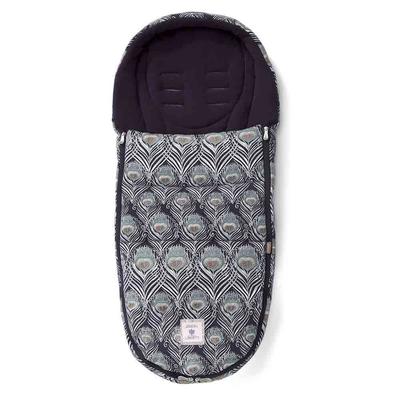
Mamas & Papas Special Edition Liberty Collaboration Cold Weather Plus FootmuffThe Cold Weather Plus Footmuff by Mamas & Papas is the ultimate footmuff for cold weather protection, and features an extra-soft fleece lining. Ideal for keeping baby warm and cozy when out and about in cool weather, you can even zip down to a liner...150,00 $*Shipping: 0,00 $Secure redirect to the provider



-
What are the first traces?
The first traces refer to the earliest evidence or indications of something. In archaeology, the first traces could be artifacts, structures, or other physical remains that provide insight into past civilizations. These traces are crucial for understanding the history and development of human societies. By studying the first traces, researchers can piece together a more complete picture of how people lived, interacted, and adapted to their environments in the past. **
-
Why do sperm traces glow?
Sperm traces glow under UV light because of a chemical reaction that occurs between the components of semen and the light. Semen contains a protein called semenogelin, which reacts with the UV light to produce a fluorescent glow. This reaction is used in forensic investigations to detect and analyze semen traces at crime scenes. **
-
How do you get traces?
Traces can be obtained through various means such as physical evidence left at a crime scene, digital footprints on electronic devices, or chemical residues from substances. Forensic experts use specialized techniques like fingerprint analysis, DNA testing, and trace analysis to collect and analyze these traces. By carefully documenting and preserving these traces, investigators can reconstruct events and gather crucial evidence to solve crimes. **
-
Where are digital traces left?
Digital traces are left in various places online, such as social media platforms, websites, search engines, and online shopping sites. They can also be left on devices such as smartphones, computers, and tablets through browsing history, cookies, and saved passwords. Additionally, digital traces can be generated through online transactions, email communications, and location tracking services. **


Can DNA traces be faked?
Yes, DNA traces can be faked through various methods such as planting DNA from another person at a crime scene, using DNA from a database, or creating synthetic DNA. However, faking DNA traces requires a high level of expertise and access to specialized equipment, making it difficult to do so without leaving any evidence of tampering. Additionally, advancements in DNA analysis techniques have made it easier to detect fake DNA traces, making it a risky endeavor for those attempting to manipulate evidence. **
Which pests leave such traces?
The pests that leave such traces could be rodents such as mice or rats, as they often leave behind droppings and gnaw marks. In addition, insects like termites can leave behind small holes and tunnels in wood. Other potential pests that leave traces include cockroaches, which may leave behind feces and shed skin, and bed bugs, which leave behind blood stains and dark spots on bedding. It is important to properly identify the traces left behind in order to effectively address the pest infestation. **
Top-Angebote
Products related to Traces:
-
Our Voices: Neighborhood & Community Boxed SetFoster a feeling of belonging while building key reading skills with these colorful storybooks that spotlight a variety of neighborhoods and communities. The 10 charming stories feature characters from different cultural backgrounds who learn about...30,59 $*Shipping: 0,00 $Secure redirect to the provider
-
Smells Like Spells Rune Candle Frigga scented candle (home/partnership) 300 gSmells Like Spells Rune Candle Frigga, 300 g, Scented Candles Home Scents, The mood and atmosphere of a space can be changed instantly by fragrance. The Smells Like Spells Rune Candle Frigga scented candle fills your home with fragrance and creates a pleasant atmosphere for relaxation and those everyday moments spent on your own or with loved ones. The flickering, quietly crackling flame also adds a warm, soothing atmosphere to the room. Characteristics: a fresh fragrance citrus fragrance vegan product ideal as a gift handmade long burning time clean burning a luxurious accessory for any room Ingredients: 100% soy wax 100% natural ingredients free of synthetic colourants GMO-free paraffin-free non-toxic formula cotton wick How to use: For optimal burning, we recommend regularly trimming the wick down to the recommended length. Follow the instructions included.15,30 £*Shipping: 3,99 £Secure redirect to the provider
-
What are feeding traces?
Feeding traces are physical evidence left behind by an animal as it feeds on plants or other organisms. These traces can include bite marks, chewed leaves, and other signs of feeding activity. By studying feeding traces, scientists can learn more about the diet and feeding behavior of different animals, as well as the interactions between predators and prey in an ecosystem. **
-
What are conductive traces?
Conductive traces are pathways on a circuit board that are made of conductive materials, such as copper, and are used to connect different components and carry electrical signals. These traces allow for the flow of electricity between different parts of the circuit, enabling the proper functioning of electronic devices. Conductive traces are typically created through a process of etching or printing conductive materials onto the surface of the circuit board. **
-
What are the first traces?
The first traces refer to the earliest evidence or indications of something. In archaeology, the first traces could be artifacts, structures, or other physical remains that provide insight into past civilizations. These traces are crucial for understanding the history and development of human societies. By studying the first traces, researchers can piece together a more complete picture of how people lived, interacted, and adapted to their environments in the past. **
-
Why do sperm traces glow?
Sperm traces glow under UV light because of a chemical reaction that occurs between the components of semen and the light. Semen contains a protein called semenogelin, which reacts with the UV light to produce a fluorescent glow. This reaction is used in forensic investigations to detect and analyze semen traces at crime scenes. **
Similar search terms for Traces
-
Mamas & Papas Special Edition Liberty Collaboration Cold Weather Plus FootmuffThe Cold Weather Plus Footmuff by Mamas & Papas is the ultimate footmuff for cold weather protection, and features an extra-soft fleece lining. Ideal for keeping baby warm and cozy when out and about in cool weather, you can even zip down to a liner...150,00 $*Shipping: 0,00 $Secure redirect to the provider
-
Yealink MeetingBoard 65-inch 4K Interactive Collaboration Display (MB65-A001)Yealink MeetingBoard 65 (MB65-A001): a 65-inch 4K Ultra HD LED-backlit interactive touch display for meeting rooms, with built-in camera, microphone array and speakers for Microsoft Teams Rooms and Zoom Rooms. Runs Android with a built-in processor and Wi-Fi.3896,99 £*Shipping: 0,00 £Secure redirect to the provider
-
Dell Pro Silent Wired Collaboration Keyboard KB525C UK QWERTY - BlackProfessional wired collaboration keyboard featuring spill-resistant design and silent key switches. Includes 15 programmable shortcut keys, dedicated Copilot key, and volume controls for enhanced productivity. Full numeric keypad and UK QWERTY layout with comprehensive 3-year NBD Advance Exchange support.45,99 £*Shipping: 0,00 £Secure redirect to the provider
-
How do you get traces?
Traces can be obtained through various means such as physical evidence left at a crime scene, digital footprints on electronic devices, or chemical residues from substances. Forensic experts use specialized techniques like fingerprint analysis, DNA testing, and trace analysis to collect and analyze these traces. By carefully documenting and preserving these traces, investigators can reconstruct events and gather crucial evidence to solve crimes. **
-
Where are digital traces left?
Digital traces are left in various places online, such as social media platforms, websites, search engines, and online shopping sites. They can also be left on devices such as smartphones, computers, and tablets through browsing history, cookies, and saved passwords. Additionally, digital traces can be generated through online transactions, email communications, and location tracking services. **
-
Can DNA traces be faked?
Yes, DNA traces can be faked through various methods such as planting DNA from another person at a crime scene, using DNA from a database, or creating synthetic DNA. However, faking DNA traces requires a high level of expertise and access to specialized equipment, making it difficult to do so without leaving any evidence of tampering. Additionally, advancements in DNA analysis techniques have made it easier to detect fake DNA traces, making it a risky endeavor for those attempting to manipulate evidence. **
-
Which pests leave such traces?
The pests that leave such traces could be rodents such as mice or rats, as they often leave behind droppings and gnaw marks. In addition, insects like termites can leave behind small holes and tunnels in wood. Other potential pests that leave traces include cockroaches, which may leave behind feces and shed skin, and bed bugs, which leave behind blood stains and dark spots on bedding. It is important to properly identify the traces left behind in order to effectively address the pest infestation. **
* All prices are inclusive of VAT and, if applicable, plus shipping costs. The offer information is based on the details provided by the respective shop and is updated through automated processes. Real-time updates do not occur, so deviations can occur in individual cases. ** Note: Parts of this content were created by AI.