Buy gemeinsam.eu ?
We are moving the project
gemeinsam.eu .
Are you interested in purchasing the domain
gemeinsam.eu ?
domain@kv-gmbh.de · 0541-91531010
Buy gemeinsam.eu ?
What are the tolerances?
Tolerances refer to the allowable deviation from a specified dimension or value in a manufacturing process. They ensure that the final product meets the required specifications and functions correctly. Tolerances are typically expressed as a range or limit within which a part or product must fall to be considered acceptable. Tighter tolerances result in higher precision but may also increase production costs. **
When are general tolerances necessary?
General tolerances are necessary when specific tolerances are not provided or required for a particular dimension or feature. They help ensure that the overall quality and functionality of a part or product are maintained within acceptable limits. General tolerances are typically used in situations where precise measurements are not critical, allowing for a more cost-effective and efficient manufacturing process. **

Similar search terms for Tolerances
Top-Angebote
Products related to Tolerances:
-
Jeffree Star Cosmetics Velour Liquid Lipstick liquid lipstick shade Gated Community 5.6 mlJeffree Star Cosmetics Velour Liquid Lipstick, 5.6 ml, Lipsticks for Women, Beautifully accentuated lips never go out of style. The Jeffree Star Cosmetics Velour Liquid Lipstick lipstick envelops the surface of your lips in a continuous layer of irresistible and rich colour, accentuating any makeup look perfectly, whether you’re heading to work, a meeting or a party. It allows you to emphasise your lips while also giving them the shape you want or a fuller look. In just a moment, it will give your lips a gorgeous colour and perfect shape, making them the centre of attention and irresistibly kissable. Characteristics: matte effect long-lasting washes out easily Ingredients: vegan product How to use: Apply lipstick to lips from the centre to the corners using gentle strokes.11,30 £*Shipping: 3,99 £Secure redirect to the provider
-
Dell Pro Silent Wired Collaboration Keyboard KB525C UK QWERTY - BlackProfessional wired collaboration keyboard featuring spill-resistant design and silent key switches. Includes 15 programmable shortcut keys, dedicated Copilot key, and volume controls for enhanced productivity. Full numeric keypad and UK QWERTY layout with comprehensive 3-year NBD Advance Exchange support.45,99 £*Shipping: 0,00 £Secure redirect to the provider
-
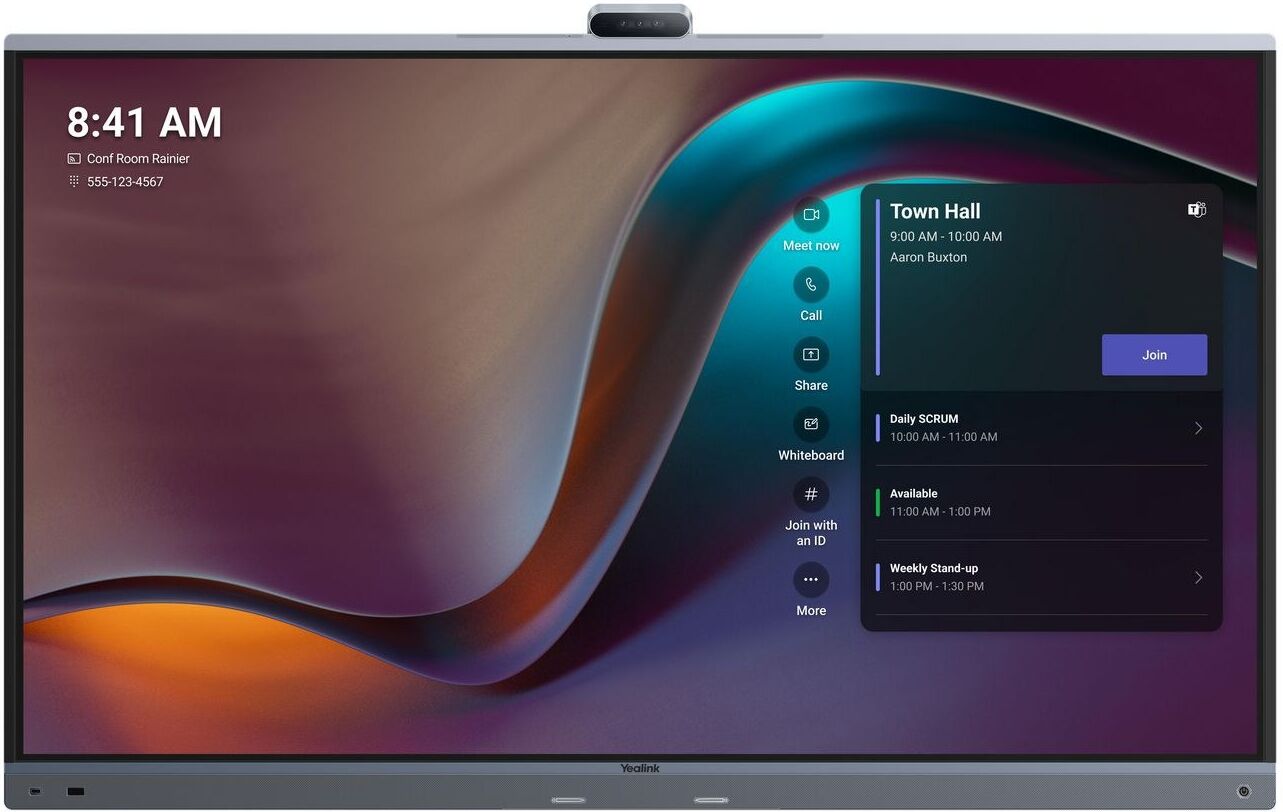
Yealink MeetingBoard 65-inch 4K Interactive Collaboration Display (MB65-A001)Yealink MeetingBoard 65 (MB65-A001): a 65-inch 4K Ultra HD LED-backlit interactive touch display for meeting rooms, with built-in camera, microphone array and speakers for Microsoft Teams Rooms and Zoom Rooms. Runs Android with a built-in processor and Wi-Fi.3896,99 £*Shipping: 0,00 £Secure redirect to the provider




-
What are tolerances and fits?
Tolerances and fits are important concepts in engineering and manufacturing that determine the allowable deviation in dimensions of mating parts. Tolerance refers to the acceptable range of variation in a part's dimensions, while fit describes how two parts with specified tolerances will fit together. The fit between two parts can be categorized as clearance fit, interference fit, or transition fit, depending on the relative sizes of the parts and the intended level of interference between them. Properly defining tolerances and fits is crucial for ensuring that parts will function correctly when assembled. **
-
What are fits and tolerances 2?
Fits and tolerances are a system used to control the dimensions and quality of mating parts in engineering and manufacturing. The fit refers to the degree of tightness or looseness between two mating parts, while the tolerance refers to the allowable variation in the dimensions of a part. By specifying fits and tolerances, engineers can ensure that parts fit together properly and function as intended. This system helps to minimize errors and ensure consistency in the production of mechanical components. **
-
What are the tolerances for DHL parcels?
The tolerances for DHL parcels can vary depending on the specific service and destination. Generally, DHL allows for a weight tolerance of +/- 0.5kg for parcels. Additionally, there may be size restrictions for parcels, with dimensions typically ranging from a minimum of 15cm x 11cm x 1cm to a maximum of 120cm x 80cm x 80cm. It is important to check the specific guidelines for the type of service and destination when sending a parcel with DHL to ensure it meets the required tolerances. **
-
What is the topic of general tolerances?
General tolerances refer to the acceptable deviation or variation in dimensions or properties of a part or product during the manufacturing process. These tolerances are typically specified in engineering drawings to ensure that the final product meets the required quality standards. General tolerances cover a range of factors such as dimensions, form, position, and orientation, and help to ensure that parts can fit and function together properly. Adhering to general tolerances is crucial for achieving consistency, interchangeability, and overall quality in manufacturing processes. **

What are the angular tolerances in millimeters?
The angular tolerances in millimeters are typically very small, often in the range of 0.1 to 0.5 millimeters. These tolerances are crucial for ensuring the precise alignment and fit of components in various mechanical and engineering applications. Meeting these tight angular tolerances is essential for maintaining the functionality, performance, and safety of the final product. **
What ISO tolerances are possible when turning?
When turning, ISO tolerances ranging from IT6 to IT11 are commonly achievable. IT6 is a very tight tolerance, while IT11 is a looser tolerance. The specific tolerance that can be achieved will depend on factors such as the material being turned, the cutting tools used, and the skill of the machinist. It is important to carefully consider the required tolerances for the specific application when selecting the appropriate ISO tolerance for turning. **
Top-Angebote
Products related to Tolerances:
-
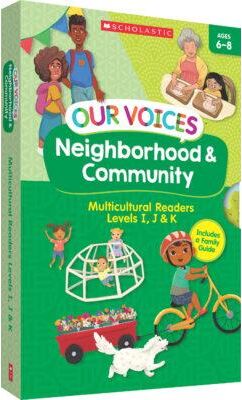
Our Voices: Neighborhood & Community Boxed SetFoster a feeling of belonging while building key reading skills with these colorful storybooks that spotlight a variety of neighborhoods and communities. The 10 charming stories feature characters from different cultural backgrounds who learn about...30,59 $*Shipping: 0,00 $Secure redirect to the provider
-
Jeffree Star Cosmetics Velour Liquid Lipstick liquid lipstick shade Gated Community 5.6 mlJeffree Star Cosmetics Velour Liquid Lipstick, 5.6 ml, Lipsticks for Women, Beautifully accentuated lips never go out of style. The Jeffree Star Cosmetics Velour Liquid Lipstick lipstick envelops the surface of your lips in a continuous layer of irresistible and rich colour, accentuating any makeup look perfectly, whether you’re heading to work, a meeting or a party. It allows you to emphasise your lips while also giving them the shape you want or a fuller look. In just a moment, it will give your lips a gorgeous colour and perfect shape, making them the centre of attention and irresistibly kissable. Characteristics: matte effect long-lasting washes out easily Ingredients: vegan product How to use: Apply lipstick to lips from the centre to the corners using gentle strokes.11,30 £*Shipping: 3,99 £Secure redirect to the provider
-
What are the tolerances?
Tolerances refer to the allowable deviation from a specified dimension or value in a manufacturing process. They ensure that the final product meets the required specifications and functions correctly. Tolerances are typically expressed as a range or limit within which a part or product must fall to be considered acceptable. Tighter tolerances result in higher precision but may also increase production costs. **
-
When are general tolerances necessary?
General tolerances are necessary when specific tolerances are not provided or required for a particular dimension or feature. They help ensure that the overall quality and functionality of a part or product are maintained within acceptable limits. General tolerances are typically used in situations where precise measurements are not critical, allowing for a more cost-effective and efficient manufacturing process. **
-
What are tolerances and fits?
Tolerances and fits are important concepts in engineering and manufacturing that determine the allowable deviation in dimensions of mating parts. Tolerance refers to the acceptable range of variation in a part's dimensions, while fit describes how two parts with specified tolerances will fit together. The fit between two parts can be categorized as clearance fit, interference fit, or transition fit, depending on the relative sizes of the parts and the intended level of interference between them. Properly defining tolerances and fits is crucial for ensuring that parts will function correctly when assembled. **
-
What are fits and tolerances 2?
Fits and tolerances are a system used to control the dimensions and quality of mating parts in engineering and manufacturing. The fit refers to the degree of tightness or looseness between two mating parts, while the tolerance refers to the allowable variation in the dimensions of a part. By specifying fits and tolerances, engineers can ensure that parts fit together properly and function as intended. This system helps to minimize errors and ensure consistency in the production of mechanical components. **
Similar search terms for Tolerances
-
Dell Pro Silent Wired Collaboration Keyboard KB525C UK QWERTY - BlackProfessional wired collaboration keyboard featuring spill-resistant design and silent key switches. Includes 15 programmable shortcut keys, dedicated Copilot key, and volume controls for enhanced productivity. Full numeric keypad and UK QWERTY layout with comprehensive 3-year NBD Advance Exchange support.45,99 £*Shipping: 0,00 £Secure redirect to the provider
-
Yealink MeetingBoard 65-inch 4K Interactive Collaboration Display (MB65-A001)Yealink MeetingBoard 65 (MB65-A001): a 65-inch 4K Ultra HD LED-backlit interactive touch display for meeting rooms, with built-in camera, microphone array and speakers for Microsoft Teams Rooms and Zoom Rooms. Runs Android with a built-in processor and Wi-Fi.3896,99 £*Shipping: 0,00 £Secure redirect to the provider
-
Yealink MeetingBoard Pro 75-inch 4K Interactive Collaboration Display (MB75Pro-A02)Yealink MeetingBoard Pro 75 (MB75Pro-A02): an all-in-one 75-inch 4K UHD (3840 x 2160) anti-glare multi-touch display for medium-sized meeting rooms. It has a 400 cd/m² panel, a built-in triple-eye camera system (3 x 50 MP), a 16-MEMS microphone array and full-range speakers, and runs Microsoft Teams Rooms on Android with an interactive whiteboard and wireless content sharing.4732,99 £*Shipping: 0,00 £Secure redirect to the provider
-
What are the tolerances for DHL parcels?
The tolerances for DHL parcels can vary depending on the specific service and destination. Generally, DHL allows for a weight tolerance of +/- 0.5kg for parcels. Additionally, there may be size restrictions for parcels, with dimensions typically ranging from a minimum of 15cm x 11cm x 1cm to a maximum of 120cm x 80cm x 80cm. It is important to check the specific guidelines for the type of service and destination when sending a parcel with DHL to ensure it meets the required tolerances. **
-
What is the topic of general tolerances?
General tolerances refer to the acceptable deviation or variation in dimensions or properties of a part or product during the manufacturing process. These tolerances are typically specified in engineering drawings to ensure that the final product meets the required quality standards. General tolerances cover a range of factors such as dimensions, form, position, and orientation, and help to ensure that parts can fit and function together properly. Adhering to general tolerances is crucial for achieving consistency, interchangeability, and overall quality in manufacturing processes. **
-
What are the angular tolerances in millimeters?
The angular tolerances in millimeters are typically very small, often in the range of 0.1 to 0.5 millimeters. These tolerances are crucial for ensuring the precise alignment and fit of components in various mechanical and engineering applications. Meeting these tight angular tolerances is essential for maintaining the functionality, performance, and safety of the final product. **
-
What ISO tolerances are possible when turning?
When turning, ISO tolerances ranging from IT6 to IT11 are commonly achievable. IT6 is a very tight tolerance, while IT11 is a looser tolerance. The specific tolerance that can be achieved will depend on factors such as the material being turned, the cutting tools used, and the skill of the machinist. It is important to carefully consider the required tolerances for the specific application when selecting the appropriate ISO tolerance for turning. **
* All prices are inclusive of VAT and, if applicable, plus shipping costs. The offer information is based on the details provided by the respective shop and is updated through automated processes. Real-time updates do not occur, so deviations can occur in individual cases. ** Note: Parts of this content were created by AI.