Buy gemeinsam.eu ?
We are moving the project
gemeinsam.eu .
Are you interested in purchasing the domain
gemeinsam.eu ?
domain@kv-gmbh.de · 0541-91531010
Buy gemeinsam.eu ?
What is the solubility temperature?
Solubility temperature is the temperature at which a solute can no longer dissolve in a solvent and starts to precipitate out of the solution. It is the point at which the solution becomes saturated and can no longer hold any more of the solute at that temperature. Solubility temperature varies depending on the specific solute and solvent involved, with some solutes becoming more soluble as temperature increases while others become less soluble. **
What is the solubility product?
The solubility product is a constant value that represents the equilibrium between a solid substance and its ions in a solution. It is the product of the concentrations of the ions in a saturated solution at a specific temperature. The solubility product constant is a measure of how well a compound can dissolve in a solvent, with higher values indicating higher solubility. It is used to predict the solubility of a compound and to determine if a precipitate will form in a solution. **

Similar search terms for Solubility
Top-Angebote
Products related to Solubility:
-
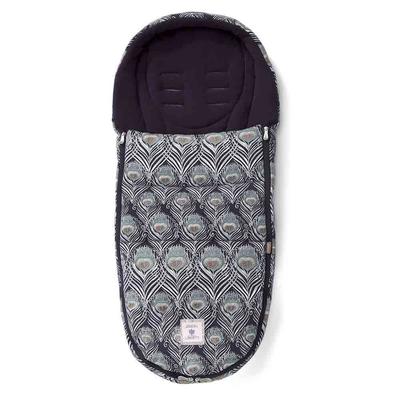
Mamas & Papas Special Edition Liberty Collaboration Cold Weather Plus FootmuffThe Cold Weather Plus Footmuff by Mamas & Papas is the ultimate footmuff for cold weather protection, and features an extra-soft fleece lining. Ideal for keeping baby warm and cozy when out and about in cool weather, you can even zip down to a liner...150,00 $*Shipping: 0,00 $Secure redirect to the provider


-
How can one understand solubility?
Solubility refers to the ability of a substance to dissolve in a solvent to form a homogeneous solution. It is influenced by factors such as temperature, pressure, and the nature of the solute and solvent. Understanding solubility involves knowing the maximum amount of solute that can dissolve in a given amount of solvent under specific conditions. This can be determined through experimental measurements and by using solubility curves and tables. Additionally, understanding the molecular interactions between the solute and solvent can provide insight into the factors that affect solubility. **
-
What is solubility in chemistry?
Solubility in chemistry refers to the ability of a substance to dissolve in a solvent to form a homogeneous solution. It is a measure of the maximum amount of solute that can dissolve in a given amount of solvent at a specific temperature. Solubility is often expressed in terms of grams of solute per 100 grams of solvent, or in terms of molarity. The factors that affect solubility include temperature, pressure, and the nature of the solute and solvent. **
-
How do you test solubility?
To test solubility, you can add a small amount of the substance you want to test to a known volume of a solvent, such as water, and stir to see if it dissolves. If the substance dissolves, it is considered soluble in that solvent. If it does not dissolve, it is considered insoluble. You can also test solubility by gradually adding more of the substance to the solvent and observing if it continues to dissolve or if it reaches a point where no more can dissolve, indicating its saturation point. **
-
What is the solubility of cellulose?
Cellulose is insoluble in water and most organic solvents due to its strong hydrogen bonding and crystalline structure. However, it can be dissolved in certain ionic liquids or concentrated acids under specific conditions. Overall, cellulose is considered to have very low solubility in common solvents. **


What is the question about solubility?
The question about solubility typically revolves around how well a substance can dissolve in a solvent at a given temperature and pressure. It may involve investigating factors that affect solubility, such as the nature of the solute and solvent, temperature, and pressure. Understanding solubility is important in various fields, including chemistry, pharmacy, and environmental science, as it influences processes like drug formulation, chemical reactions, and pollution control. **
What is the solubility of bromoheptane?
The solubility of bromoheptane is very low in water, as it is a nonpolar molecule and water is a polar solvent. Nonpolar molecules like bromoheptane are not easily dissolved in polar solvents like water due to differences in their molecular structures. However, bromoheptane is soluble in nonpolar solvents such as hexane or ether due to their similar molecular structures. Therefore, bromoheptane is considered to be insoluble in water but soluble in nonpolar solvents. **
Top-Angebote
Products related to Solubility:
-
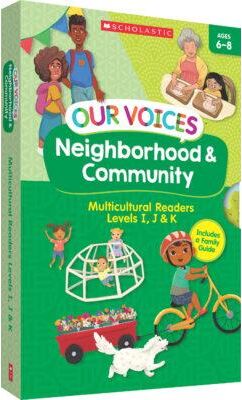
Our Voices: Neighborhood & Community Boxed SetFoster a feeling of belonging while building key reading skills with these colorful storybooks that spotlight a variety of neighborhoods and communities. The 10 charming stories feature characters from different cultural backgrounds who learn about...30,59 $*Shipping: 0,00 $Secure redirect to the provider
-
Smells Like Spells Rune Candle Frigga scented candle (home/partnership) 300 gSmells Like Spells Rune Candle Frigga, 300 g, Scented Candles Home Scents, The mood and atmosphere of a space can be changed instantly by fragrance. The Smells Like Spells Rune Candle Frigga scented candle fills your home with fragrance and creates a pleasant atmosphere for relaxation and those everyday moments spent on your own or with loved ones. The flickering, quietly crackling flame also adds a warm, soothing atmosphere to the room. Characteristics: a fresh fragrance citrus fragrance vegan product ideal as a gift handmade long burning time clean burning a luxurious accessory for any room Ingredients: 100% soy wax 100% natural ingredients free of synthetic colourants GMO-free paraffin-free non-toxic formula cotton wick How to use: For optimal burning, we recommend regularly trimming the wick down to the recommended length. Follow the instructions included.15,30 £*Shipping: 3,99 £Secure redirect to the provider
-
What is the solubility temperature?
Solubility temperature is the temperature at which a solute can no longer dissolve in a solvent and starts to precipitate out of the solution. It is the point at which the solution becomes saturated and can no longer hold any more of the solute at that temperature. Solubility temperature varies depending on the specific solute and solvent involved, with some solutes becoming more soluble as temperature increases while others become less soluble. **
-
What is the solubility product?
The solubility product is a constant value that represents the equilibrium between a solid substance and its ions in a solution. It is the product of the concentrations of the ions in a saturated solution at a specific temperature. The solubility product constant is a measure of how well a compound can dissolve in a solvent, with higher values indicating higher solubility. It is used to predict the solubility of a compound and to determine if a precipitate will form in a solution. **
-
How can one understand solubility?
Solubility refers to the ability of a substance to dissolve in a solvent to form a homogeneous solution. It is influenced by factors such as temperature, pressure, and the nature of the solute and solvent. Understanding solubility involves knowing the maximum amount of solute that can dissolve in a given amount of solvent under specific conditions. This can be determined through experimental measurements and by using solubility curves and tables. Additionally, understanding the molecular interactions between the solute and solvent can provide insight into the factors that affect solubility. **
-
What is solubility in chemistry?
Solubility in chemistry refers to the ability of a substance to dissolve in a solvent to form a homogeneous solution. It is a measure of the maximum amount of solute that can dissolve in a given amount of solvent at a specific temperature. Solubility is often expressed in terms of grams of solute per 100 grams of solvent, or in terms of molarity. The factors that affect solubility include temperature, pressure, and the nature of the solute and solvent. **
Similar search terms for Solubility
-
Mamas & Papas Special Edition Liberty Collaboration Cold Weather Plus FootmuffThe Cold Weather Plus Footmuff by Mamas & Papas is the ultimate footmuff for cold weather protection, and features an extra-soft fleece lining. Ideal for keeping baby warm and cozy when out and about in cool weather, you can even zip down to a liner...150,00 $*Shipping: 0,00 $Secure redirect to the provider
-
Yealink MeetingBoard 65-inch 4K Interactive Collaboration Display (MB65-A001)Yealink MeetingBoard 65 (MB65-A001): a 65-inch 4K Ultra HD LED-backlit interactive touch display for meeting rooms, with built-in camera, microphone array and speakers for Microsoft Teams Rooms and Zoom Rooms. Runs Android with a built-in processor and Wi-Fi.3896,99 £*Shipping: 0,00 £Secure redirect to the provider
-
Dell Pro Silent Wired Collaboration Keyboard KB525C UK QWERTY - BlackProfessional wired collaboration keyboard featuring spill-resistant design and silent key switches. Includes 15 programmable shortcut keys, dedicated Copilot key, and volume controls for enhanced productivity. Full numeric keypad and UK QWERTY layout with comprehensive 3-year NBD Advance Exchange support.45,99 £*Shipping: 0,00 £Secure redirect to the provider
-
How do you test solubility?
To test solubility, you can add a small amount of the substance you want to test to a known volume of a solvent, such as water, and stir to see if it dissolves. If the substance dissolves, it is considered soluble in that solvent. If it does not dissolve, it is considered insoluble. You can also test solubility by gradually adding more of the substance to the solvent and observing if it continues to dissolve or if it reaches a point where no more can dissolve, indicating its saturation point. **
-
What is the solubility of cellulose?
Cellulose is insoluble in water and most organic solvents due to its strong hydrogen bonding and crystalline structure. However, it can be dissolved in certain ionic liquids or concentrated acids under specific conditions. Overall, cellulose is considered to have very low solubility in common solvents. **
-
What is the question about solubility?
The question about solubility typically revolves around how well a substance can dissolve in a solvent at a given temperature and pressure. It may involve investigating factors that affect solubility, such as the nature of the solute and solvent, temperature, and pressure. Understanding solubility is important in various fields, including chemistry, pharmacy, and environmental science, as it influences processes like drug formulation, chemical reactions, and pollution control. **
-
What is the solubility of bromoheptane?
The solubility of bromoheptane is very low in water, as it is a nonpolar molecule and water is a polar solvent. Nonpolar molecules like bromoheptane are not easily dissolved in polar solvents like water due to differences in their molecular structures. However, bromoheptane is soluble in nonpolar solvents such as hexane or ether due to their similar molecular structures. Therefore, bromoheptane is considered to be insoluble in water but soluble in nonpolar solvents. **
* All prices are inclusive of VAT and, if applicable, plus shipping costs. The offer information is based on the details provided by the respective shop and is updated through automated processes. Real-time updates do not occur, so deviations can occur in individual cases. ** Note: Parts of this content were created by AI.