Buy gemeinsam.eu ?
We are moving the project
gemeinsam.eu .
Are you interested in purchasing the domain
gemeinsam.eu ?
domain@kv-gmbh.de · 0541-91531010
Buy gemeinsam.eu ?
What exactly is Shintoism?
Shintoism is an indigenous religion of Japan that focuses on the worship of kami, which are spirits or deities believed to inhabit natural elements, objects, and ancestors. It emphasizes rituals, traditions, and practices that aim to maintain harmony with the natural world and promote a connection between humans and the divine. Shintoism does not have a single founder or central religious text, but it is deeply rooted in Japanese culture and history. Followers of Shintoism often visit shrines to pay respects to the kami and participate in ceremonies to seek blessings and protection. **
What is Shintoism about?
Shintoism is a traditional Japanese religion that focuses on the worship of kami, which are spirits or deities that are believed to inhabit the natural world, such as mountains, rivers, and trees. Shintoism emphasizes the importance of rituals and ceremonies to honor and communicate with the kami, as well as the concept of purity and harmony with nature. It also places a strong emphasis on the connection between the living and the spirits of ancestors. Shintoism is deeply ingrained in Japanese culture and has influenced various aspects of Japanese society, including art, architecture, and festivals. **

Similar search terms for Shintoism
Top-Angebote
Products related to Shintoism:
-
Jeffree Star Cosmetics Velour Liquid Lipstick liquid lipstick shade Gated Community 5.6 mlJeffree Star Cosmetics Velour Liquid Lipstick, 5.6 ml, Lipsticks for Women, Beautifully accentuated lips never go out of style. The Jeffree Star Cosmetics Velour Liquid Lipstick lipstick envelops the surface of your lips in a continuous layer of irresistible and rich colour, accentuating any makeup look perfectly, whether you’re heading to work, a meeting or a party. It allows you to emphasise your lips while also giving them the shape you want or a fuller look. In just a moment, it will give your lips a gorgeous colour and perfect shape, making them the centre of attention and irresistibly kissable. Characteristics: matte effect long-lasting washes out easily Ingredients: vegan product How to use: Apply lipstick to lips from the centre to the corners using gentle strokes.11,30 £*Shipping: 3,99 £Secure redirect to the provider
-
Dell Pro Silent Wired Collaboration Keyboard KB525C UK QWERTY - BlackProfessional wired collaboration keyboard featuring spill-resistant design and silent key switches. Includes 15 programmable shortcut keys, dedicated Copilot key, and volume controls for enhanced productivity. Full numeric keypad and UK QWERTY layout with comprehensive 3-year NBD Advance Exchange support.45,99 £*Shipping: 0,00 £Secure redirect to the provider
-
Yealink MeetingBoard 65-inch 4K Interactive Collaboration Display (MB65-A001)Yealink MeetingBoard 65 (MB65-A001): a 65-inch 4K Ultra HD LED-backlit interactive touch display for meeting rooms, with built-in camera, microphone array and speakers for Microsoft Teams Rooms and Zoom Rooms. Runs Android with a built-in processor and Wi-Fi.3896,99 £*Shipping: 0,00 £Secure redirect to the provider




-
Where is Shintoism widely practiced?
Shintoism is widely practiced in Japan, where it is considered the indigenous religion. It is an integral part of Japanese culture and society, with many traditions and customs influenced by Shinto beliefs. Shinto shrines can be found throughout Japan, and many Japanese people participate in Shinto rituals and ceremonies for various occasions such as weddings, festivals, and New Year celebrations. **
-
What is Shintoism in Germany?
Shintoism in Germany refers to the practice and belief in the traditional Japanese religion of Shinto by individuals and communities in Germany. It is a relatively small religious community in the country, with a few Shinto shrines and organizations established to serve the Japanese expatriate community and those interested in Japanese culture and spirituality. Shintoism in Germany often involves the celebration of traditional Japanese festivals, rituals, and customs, as well as the worship of Shinto deities and spirits. It is also influenced by the broader interest in Japanese culture and spirituality in Germany. **
-
What happens in Shintoism after death?
In Shintoism, death is seen as a transition rather than an end. It is believed that the deceased person's spirit continues to exist and can influence the living. Ancestor veneration is an important aspect of Shinto beliefs, where rituals and offerings are made to honor and appease the spirits of the deceased. The ultimate goal is for the deceased to become a protective and benevolent ancestor who watches over and guides their living descendants. **
-
How is death perceived in Shintoism?
In Shintoism, death is seen as a natural part of the cycle of life, and it is believed that the spirits of the deceased continue to exist in the spiritual world. There is a strong emphasis on honoring and respecting the ancestors, and rituals and ceremonies are performed to pay tribute to them. Death is not seen as an end, but rather as a transition to the spiritual realm, and it is believed that the spirits of the deceased can continue to influence the lives of the living. Overall, death is perceived with a sense of reverence and connection to the spiritual world in Shintoism. **


What does one do in Shintoism?
In Shintoism, practitioners engage in various rituals and practices to honor and connect with the kami, or spirits, that are believed to inhabit the natural world. This can include visiting shrines, making offerings, and participating in festivals and ceremonies. Additionally, followers may also engage in purification rituals, meditation, and prayer to seek blessings and guidance from the kami. Overall, the focus of Shintoism is on maintaining harmony and reverence for the natural world and the spirits that inhabit it. **
How can one convert to Shintoism?
To convert to Shintoism, one can start by learning about the beliefs, practices, and rituals of the religion. It is important to understand the concept of kami (spirits or deities) and the reverence for nature in Shintoism. One can also visit Shinto shrines, participate in rituals, and seek guidance from Shinto priests. Ultimately, conversion to Shintoism involves a personal commitment to the beliefs and values of the religion, as well as a sincere respect for its traditions and customs. **
Top-Angebote
Products related to Shintoism:
-
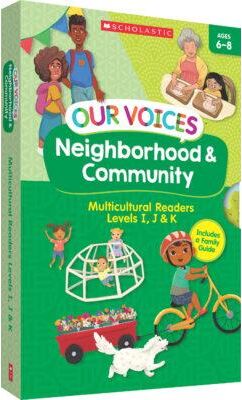
Our Voices: Neighborhood & Community Boxed SetFoster a feeling of belonging while building key reading skills with these colorful storybooks that spotlight a variety of neighborhoods and communities. The 10 charming stories feature characters from different cultural backgrounds who learn about...30,59 $*Shipping: 0,00 $Secure redirect to the provider
-
Jeffree Star Cosmetics Velour Liquid Lipstick liquid lipstick shade Gated Community 5.6 mlJeffree Star Cosmetics Velour Liquid Lipstick, 5.6 ml, Lipsticks for Women, Beautifully accentuated lips never go out of style. The Jeffree Star Cosmetics Velour Liquid Lipstick lipstick envelops the surface of your lips in a continuous layer of irresistible and rich colour, accentuating any makeup look perfectly, whether you’re heading to work, a meeting or a party. It allows you to emphasise your lips while also giving them the shape you want or a fuller look. In just a moment, it will give your lips a gorgeous colour and perfect shape, making them the centre of attention and irresistibly kissable. Characteristics: matte effect long-lasting washes out easily Ingredients: vegan product How to use: Apply lipstick to lips from the centre to the corners using gentle strokes.11,30 £*Shipping: 3,99 £Secure redirect to the provider
-
What exactly is Shintoism?
Shintoism is an indigenous religion of Japan that focuses on the worship of kami, which are spirits or deities believed to inhabit natural elements, objects, and ancestors. It emphasizes rituals, traditions, and practices that aim to maintain harmony with the natural world and promote a connection between humans and the divine. Shintoism does not have a single founder or central religious text, but it is deeply rooted in Japanese culture and history. Followers of Shintoism often visit shrines to pay respects to the kami and participate in ceremonies to seek blessings and protection. **
-
What is Shintoism about?
Shintoism is a traditional Japanese religion that focuses on the worship of kami, which are spirits or deities that are believed to inhabit the natural world, such as mountains, rivers, and trees. Shintoism emphasizes the importance of rituals and ceremonies to honor and communicate with the kami, as well as the concept of purity and harmony with nature. It also places a strong emphasis on the connection between the living and the spirits of ancestors. Shintoism is deeply ingrained in Japanese culture and has influenced various aspects of Japanese society, including art, architecture, and festivals. **
-
Where is Shintoism widely practiced?
Shintoism is widely practiced in Japan, where it is considered the indigenous religion. It is an integral part of Japanese culture and society, with many traditions and customs influenced by Shinto beliefs. Shinto shrines can be found throughout Japan, and many Japanese people participate in Shinto rituals and ceremonies for various occasions such as weddings, festivals, and New Year celebrations. **
-
What is Shintoism in Germany?
Shintoism in Germany refers to the practice and belief in the traditional Japanese religion of Shinto by individuals and communities in Germany. It is a relatively small religious community in the country, with a few Shinto shrines and organizations established to serve the Japanese expatriate community and those interested in Japanese culture and spirituality. Shintoism in Germany often involves the celebration of traditional Japanese festivals, rituals, and customs, as well as the worship of Shinto deities and spirits. It is also influenced by the broader interest in Japanese culture and spirituality in Germany. **
Similar search terms for Shintoism
-
Dell Pro Silent Wired Collaboration Keyboard KB525C UK QWERTY - BlackProfessional wired collaboration keyboard featuring spill-resistant design and silent key switches. Includes 15 programmable shortcut keys, dedicated Copilot key, and volume controls for enhanced productivity. Full numeric keypad and UK QWERTY layout with comprehensive 3-year NBD Advance Exchange support.45,99 £*Shipping: 0,00 £Secure redirect to the provider
-
Yealink MeetingBoard 65-inch 4K Interactive Collaboration Display (MB65-A001)Yealink MeetingBoard 65 (MB65-A001): a 65-inch 4K Ultra HD LED-backlit interactive touch display for meeting rooms, with built-in camera, microphone array and speakers for Microsoft Teams Rooms and Zoom Rooms. Runs Android with a built-in processor and Wi-Fi.3896,99 £*Shipping: 0,00 £Secure redirect to the provider
-
Yealink MeetingBoard Pro 75-inch 4K Interactive Collaboration Display (MB75Pro-A02)Yealink MeetingBoard Pro 75 (MB75Pro-A02): an all-in-one 75-inch 4K UHD (3840 x 2160) anti-glare multi-touch display for medium-sized meeting rooms. It has a 400 cd/m² panel, a built-in triple-eye camera system (3 x 50 MP), a 16-MEMS microphone array and full-range speakers, and runs Microsoft Teams Rooms on Android with an interactive whiteboard and wireless content sharing.4732,99 £*Shipping: 0,00 £Secure redirect to the provider
-
What happens in Shintoism after death?
In Shintoism, death is seen as a transition rather than an end. It is believed that the deceased person's spirit continues to exist and can influence the living. Ancestor veneration is an important aspect of Shinto beliefs, where rituals and offerings are made to honor and appease the spirits of the deceased. The ultimate goal is for the deceased to become a protective and benevolent ancestor who watches over and guides their living descendants. **
-
How is death perceived in Shintoism?
In Shintoism, death is seen as a natural part of the cycle of life, and it is believed that the spirits of the deceased continue to exist in the spiritual world. There is a strong emphasis on honoring and respecting the ancestors, and rituals and ceremonies are performed to pay tribute to them. Death is not seen as an end, but rather as a transition to the spiritual realm, and it is believed that the spirits of the deceased can continue to influence the lives of the living. Overall, death is perceived with a sense of reverence and connection to the spiritual world in Shintoism. **
-
What does one do in Shintoism?
In Shintoism, practitioners engage in various rituals and practices to honor and connect with the kami, or spirits, that are believed to inhabit the natural world. This can include visiting shrines, making offerings, and participating in festivals and ceremonies. Additionally, followers may also engage in purification rituals, meditation, and prayer to seek blessings and guidance from the kami. Overall, the focus of Shintoism is on maintaining harmony and reverence for the natural world and the spirits that inhabit it. **
-
How can one convert to Shintoism?
To convert to Shintoism, one can start by learning about the beliefs, practices, and rituals of the religion. It is important to understand the concept of kami (spirits or deities) and the reverence for nature in Shintoism. One can also visit Shinto shrines, participate in rituals, and seek guidance from Shinto priests. Ultimately, conversion to Shintoism involves a personal commitment to the beliefs and values of the religion, as well as a sincere respect for its traditions and customs. **
* All prices are inclusive of VAT and, if applicable, plus shipping costs. The offer information is based on the details provided by the respective shop and is updated through automated processes. Real-time updates do not occur, so deviations can occur in individual cases. ** Note: Parts of this content were created by AI.