Buy gemeinsam.eu ?
We are moving the project
gemeinsam.eu .
Are you interested in purchasing the domain
gemeinsam.eu ?
domain@kv-gmbh.de · 0541-91531010
Buy gemeinsam.eu ?
Were the Germanic people Vikings, or were the Vikings Germanic?
The Germanic people were a group of tribes that lived in Northern Europe, including modern-day Germany, Scandinavia, and the Netherlands. The Vikings were a specific group of people within the broader Germanic culture, known for their seafaring and raiding activities. So, the Vikings were a subset of the Germanic people, and not all Germanic people were Vikings. **
Are the Celts Germanic?
No, the Celts are not Germanic. The Celts were a distinct group of people who originated in Central Europe and spread across much of Western Europe, including areas that are now part of modern-day France, Spain, and the British Isles. The Germanic peoples, on the other hand, originated in northern Europe and eventually spread into areas that are now part of modern-day Germany, Scandinavia, and the Netherlands. While the Celts and Germanic peoples may have had some interactions and influences on each other, they are considered to be separate and distinct cultural and linguistic groups. **

Similar search terms for Germanic
Top-Angebote
Products related to Germanic:
-
Jeffree Star Cosmetics Velour Liquid Lipstick liquid lipstick shade Gated Community 5.6 mlJeffree Star Cosmetics Velour Liquid Lipstick, 5.6 ml, Lipsticks for Women, Beautifully accentuated lips never go out of style. The Jeffree Star Cosmetics Velour Liquid Lipstick lipstick envelops the surface of your lips in a continuous layer of irresistible and rich colour, accentuating any makeup look perfectly, whether you’re heading to work, a meeting or a party. It allows you to emphasise your lips while also giving them the shape you want or a fuller look. In just a moment, it will give your lips a gorgeous colour and perfect shape, making them the centre of attention and irresistibly kissable. Characteristics: matte effect long-lasting washes out easily Ingredients: vegan product How to use: Apply lipstick to lips from the centre to the corners using gentle strokes.13,30 £*Shipping: 3,99 £Secure redirect to the provider
-
Yealink MeetingBoard 65-inch 4K Interactive Collaboration Display (MB65-A001)Yealink MeetingBoard 65 (MB65-A001): a 65-inch 4K Ultra HD LED-backlit interactive touch display for meeting rooms, with built-in camera, microphone array and speakers for Microsoft Teams Rooms and Zoom Rooms. Runs Android with a built-in processor and Wi-Fi.3896,99 £*Shipping: 0,00 £Secure redirect to the provider
-
Dell Pro Silent Wired Collaboration Keyboard KB525C UK QWERTY - BlackProfessional wired collaboration keyboard featuring spill-resistant design and silent key switches. Includes 15 programmable shortcut keys, dedicated Copilot key, and volume controls for enhanced productivity. Full numeric keypad and UK QWERTY layout with comprehensive 3-year NBD Advance Exchange support.45,99 £*Shipping: 0,00 £Secure redirect to the provider




-
What is Germanic Neopaganism?
Germanic Neopaganism is a modern revival of the pre-Christian religious practices and beliefs of the Germanic peoples. It encompasses a variety of traditions and practices inspired by the ancient Germanic cultures, including Norse, Anglo-Saxon, and Continental Germanic traditions. Followers of Germanic Neopaganism often worship a pantheon of gods and goddesses, honor their ancestors, and celebrate seasonal festivals. It is a decentralized and diverse movement, with different groups and individuals interpreting and practicing the faith in their own unique ways. **
-
Were the Greeks Germanic?
No, the Greeks were not Germanic. The Greeks were an ancient civilization that originated in the Mediterranean region, while the Germanic peoples were a group of tribes that originated in northern Europe. The Greeks had their own distinct language, culture, and history, which were different from those of the Germanic peoples. Therefore, it is not accurate to classify the Greeks as Germanic. **
-
Are Austrians Germanic or Slavic?
Austrians are considered to be primarily Germanic. The majority of the population in Austria speaks German as their first language and shares cultural and historical ties with other Germanic-speaking countries. However, due to its location in Central Europe, Austria has also been influenced by Slavic cultures, particularly in regions bordering countries like Slovenia and the Czech Republic. **
-
Are Germans Germanic or Celtic?
Germans are considered Germanic, not Celtic. The Germanic peoples are a group of Northern European tribes that share a common linguistic and cultural heritage. The Celts, on the other hand, were a distinct group of people who inhabited parts of Western Europe, including modern-day France, Ireland, and the British Isles. Germans are descendants of the Germanic tribes that settled in the region that is now Germany. **


What are the Germanic peoples?
The Germanic peoples were a group of Indo-European tribes who originated in Northern Europe. They spoke Germanic languages and shared cultural and linguistic similarities. They played a significant role in shaping the history of Europe, with various Germanic tribes establishing kingdoms and empires across the continent. Some well-known Germanic tribes include the Franks, Goths, Vandals, and Saxons. **
Were the Germanic people indigenous?
The Germanic people were not indigenous to the areas they eventually settled in. They were originally believed to have originated in Scandinavia and northern Germany before migrating to other parts of Europe. As they moved and settled in new territories, they interacted with and assimilated with the indigenous populations already living there. Over time, they established their own distinct cultures and societies in these regions. **
Top-Angebote
Products related to Germanic:
-
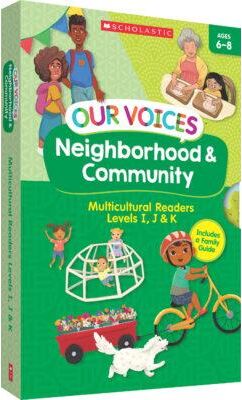
Our Voices: Neighborhood & Community Boxed SetFoster a feeling of belonging while building key reading skills with these colorful storybooks that spotlight a variety of neighborhoods and communities. The 10 charming stories feature characters from different cultural backgrounds who learn about...30,59 $*Shipping: 0,00 $Secure redirect to the provider
-
Jeffree Star Cosmetics Velour Liquid Lipstick liquid lipstick shade Gated Community 5.6 mlJeffree Star Cosmetics Velour Liquid Lipstick, 5.6 ml, Lipsticks for Women, Beautifully accentuated lips never go out of style. The Jeffree Star Cosmetics Velour Liquid Lipstick lipstick envelops the surface of your lips in a continuous layer of irresistible and rich colour, accentuating any makeup look perfectly, whether you’re heading to work, a meeting or a party. It allows you to emphasise your lips while also giving them the shape you want or a fuller look. In just a moment, it will give your lips a gorgeous colour and perfect shape, making them the centre of attention and irresistibly kissable. Characteristics: matte effect long-lasting washes out easily Ingredients: vegan product How to use: Apply lipstick to lips from the centre to the corners using gentle strokes.13,30 £*Shipping: 3,99 £Secure redirect to the provider
-
Were the Germanic people Vikings, or were the Vikings Germanic?
The Germanic people were a group of tribes that lived in Northern Europe, including modern-day Germany, Scandinavia, and the Netherlands. The Vikings were a specific group of people within the broader Germanic culture, known for their seafaring and raiding activities. So, the Vikings were a subset of the Germanic people, and not all Germanic people were Vikings. **
-
Are the Celts Germanic?
No, the Celts are not Germanic. The Celts were a distinct group of people who originated in Central Europe and spread across much of Western Europe, including areas that are now part of modern-day France, Spain, and the British Isles. The Germanic peoples, on the other hand, originated in northern Europe and eventually spread into areas that are now part of modern-day Germany, Scandinavia, and the Netherlands. While the Celts and Germanic peoples may have had some interactions and influences on each other, they are considered to be separate and distinct cultural and linguistic groups. **
-
What is Germanic Neopaganism?
Germanic Neopaganism is a modern revival of the pre-Christian religious practices and beliefs of the Germanic peoples. It encompasses a variety of traditions and practices inspired by the ancient Germanic cultures, including Norse, Anglo-Saxon, and Continental Germanic traditions. Followers of Germanic Neopaganism often worship a pantheon of gods and goddesses, honor their ancestors, and celebrate seasonal festivals. It is a decentralized and diverse movement, with different groups and individuals interpreting and practicing the faith in their own unique ways. **
-
Were the Greeks Germanic?
No, the Greeks were not Germanic. The Greeks were an ancient civilization that originated in the Mediterranean region, while the Germanic peoples were a group of tribes that originated in northern Europe. The Greeks had their own distinct language, culture, and history, which were different from those of the Germanic peoples. Therefore, it is not accurate to classify the Greeks as Germanic. **
Similar search terms for Germanic
-
Yealink MeetingBoard 65-inch 4K Interactive Collaboration Display (MB65-A001)Yealink MeetingBoard 65 (MB65-A001): a 65-inch 4K Ultra HD LED-backlit interactive touch display for meeting rooms, with built-in camera, microphone array and speakers for Microsoft Teams Rooms and Zoom Rooms. Runs Android with a built-in processor and Wi-Fi.3896,99 £*Shipping: 0,00 £Secure redirect to the provider
-
Dell Pro Silent Wired Collaboration Keyboard KB525C UK QWERTY - BlackProfessional wired collaboration keyboard featuring spill-resistant design and silent key switches. Includes 15 programmable shortcut keys, dedicated Copilot key, and volume controls for enhanced productivity. Full numeric keypad and UK QWERTY layout with comprehensive 3-year NBD Advance Exchange support.45,99 £*Shipping: 0,00 £Secure redirect to the provider
-
Yealink MeetingBoard Pro 75-inch 4K Interactive Collaboration Display (MB75Pro-A02)Yealink MeetingBoard Pro 75 (MB75Pro-A02): an all-in-one 75-inch 4K UHD (3840 x 2160) anti-glare multi-touch display for medium-sized meeting rooms. It has a 400 cd/m² panel, a built-in triple-eye camera system (3 x 50 MP), a 16-MEMS microphone array and full-range speakers, and runs Microsoft Teams Rooms on Android with an interactive whiteboard and wireless content sharing.4732,99 £*Shipping: 0,00 £Secure redirect to the provider
-
Are Austrians Germanic or Slavic?
Austrians are considered to be primarily Germanic. The majority of the population in Austria speaks German as their first language and shares cultural and historical ties with other Germanic-speaking countries. However, due to its location in Central Europe, Austria has also been influenced by Slavic cultures, particularly in regions bordering countries like Slovenia and the Czech Republic. **
-
Are Germans Germanic or Celtic?
Germans are considered Germanic, not Celtic. The Germanic peoples are a group of Northern European tribes that share a common linguistic and cultural heritage. The Celts, on the other hand, were a distinct group of people who inhabited parts of Western Europe, including modern-day France, Ireland, and the British Isles. Germans are descendants of the Germanic tribes that settled in the region that is now Germany. **
-
What are the Germanic peoples?
The Germanic peoples were a group of Indo-European tribes who originated in Northern Europe. They spoke Germanic languages and shared cultural and linguistic similarities. They played a significant role in shaping the history of Europe, with various Germanic tribes establishing kingdoms and empires across the continent. Some well-known Germanic tribes include the Franks, Goths, Vandals, and Saxons. **
-
Were the Germanic people indigenous?
The Germanic people were not indigenous to the areas they eventually settled in. They were originally believed to have originated in Scandinavia and northern Germany before migrating to other parts of Europe. As they moved and settled in new territories, they interacted with and assimilated with the indigenous populations already living there. Over time, they established their own distinct cultures and societies in these regions. **
* All prices are inclusive of VAT and, if applicable, plus shipping costs. The offer information is based on the details provided by the respective shop and is updated through automated processes. Real-time updates do not occur, so deviations can occur in individual cases. ** Note: Parts of this content were created by AI.