Buy gemeinsam.eu ?
We are moving the project
gemeinsam.eu .
Are you interested in purchasing the domain
gemeinsam.eu ?
domain@kv-gmbh.de · 0541-91531010
Buy gemeinsam.eu ?
How does fluorine react with sodium?
Fluorine reacts vigorously with sodium to form sodium fluoride. This reaction is highly exothermic and releases a significant amount of energy in the form of heat and light. The reaction is also highly explosive and should be carried out with caution. Sodium fluoride is a white solid compound that is commonly used in toothpaste and water fluoridation. **
What is the flame color of fluorine?
The flame color of fluorine is a pale yellow-green. When fluorine gas is burned, it produces a characteristic yellow-green flame due to the excitation of electrons in the gas molecules. This color is often used as a way to identify the presence of fluorine in chemical reactions or experiments. **


Similar search terms for Fluorine
Top-Angebote
Products related to Fluorine:
-
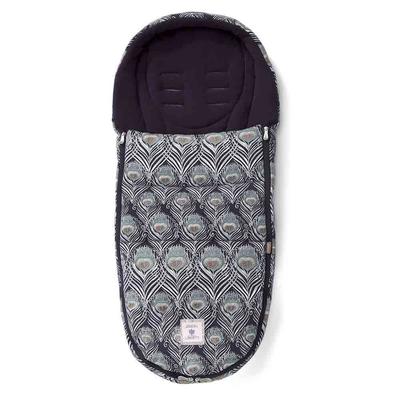
Mamas & Papas Special Edition Liberty Collaboration Cold Weather Plus FootmuffThe Cold Weather Plus Footmuff by Mamas & Papas is the ultimate footmuff for cold weather protection, and features an extra-soft fleece lining. Ideal for keeping baby warm and cozy when out and about in cool weather, you can even zip down to a liner...150,00 $*Shipping: 0,00 $Secure redirect to the provider
-
Chicco Cortina Together Double Stroller - MeridianFor infants, the Cortina? Together accepts two KeyFit? or Fit2? car seats, one in each seat. (car seats sold separately) The front seat folds forward and the rear seat reclines to accept the car seat with integrated click-in attachment. No adapter...287,99 $*Shipping: 0,00 $Secure redirect to the provider



-
Why does fluorine boil at 188°C?
Fluorine boils at 188°C because it has a very low boiling point compared to other elements due to its small atomic size and high electronegativity. The small size of the fluorine atom allows for strong intermolecular forces to be easily overcome, leading to its low boiling point. Additionally, the high electronegativity of fluorine results in strong dipole-dipole interactions between molecules, further contributing to its low boiling point. **
-
In which xenon compounds is fluorine involved?
Fluorine is involved in the formation of xenon tetrafluoride (XeF4) and xenon hexafluoride (XeF6). These compounds are formed by the reaction of xenon with an excess of fluorine gas. Fluorine acts as the oxidizing agent in these reactions, allowing xenon to achieve a higher oxidation state than its usual zero oxidation state in elemental form. **
-
What is the profile of the atom Fluorine?
Fluorine is a chemical element with the atomic number 9 and symbol F. It belongs to the halogen group on the periodic table, making it highly reactive. Fluorine is a pale yellow gas at room temperature and is the most electronegative element, meaning it has a strong tendency to attract electrons. It is commonly found in compounds like fluoride minerals and is essential for various industrial and biological processes. **
-
What is the electronegativity of fluorine and francium?
Fluorine has the highest electronegativity of all elements, with a value of 3.98 on the Pauling scale. Francium, on the other hand, has one of the lowest electronegativities, with a value of 0.7 on the Pauling scale. This means that fluorine has a strong tendency to attract electrons, while francium has a weak tendency to attract electrons. **


What is the relationship between fluorine and chlorine?
Fluorine and chlorine are both halogens and are located next to each other on the periodic table. They share similar chemical properties due to their outer electron configuration, but they also have distinct differences. Fluorine is the most electronegative element, while chlorine is slightly less electronegative. Both elements can form compounds with other elements, but their reactivity and properties may vary. **
Why do nitrogen and fluorine occur as molecules?
Nitrogen and fluorine occur as molecules because they are diatomic elements, meaning they naturally exist as molecules composed of two atoms of the same element bonded together. Nitrogen forms N2 molecules, while fluorine forms F2 molecules. This occurs because both elements have high electronegativity and prefer to form strong covalent bonds with themselves rather than with other elements. As a result, they exist as stable diatomic molecules in their natural state. **
Top-Angebote
Products related to Fluorine:
-
Aria Home Fluorine Frosted Tulip Glass Vase Set of 2 Table DécorThis Fluorine frosted tulip glass vase set features artistic swirl patterns and elegant tulip shaped silhouettes. Crafted from colored glass with a soft frosted finish these decorative vases add charm and visual interest to any interior space.41,99 $*Shipping: 0,00 $Secure redirect to the provider
-
Our Voices: Neighborhood & Community Boxed SetFoster a feeling of belonging while building key reading skills with these colorful storybooks that spotlight a variety of neighborhoods and communities. The 10 charming stories feature characters from different cultural backgrounds who learn about...30,59 $*Shipping: 0,00 $Secure redirect to the provider
-
Mamas & Papas Special Edition Liberty Collaboration Cold Weather Plus FootmuffThe Cold Weather Plus Footmuff by Mamas & Papas is the ultimate footmuff for cold weather protection, and features an extra-soft fleece lining. Ideal for keeping baby warm and cozy when out and about in cool weather, you can even zip down to a liner...150,00 $*Shipping: 0,00 $Secure redirect to the provider
-
How does fluorine react with sodium?
Fluorine reacts vigorously with sodium to form sodium fluoride. This reaction is highly exothermic and releases a significant amount of energy in the form of heat and light. The reaction is also highly explosive and should be carried out with caution. Sodium fluoride is a white solid compound that is commonly used in toothpaste and water fluoridation. **
-
What is the flame color of fluorine?
The flame color of fluorine is a pale yellow-green. When fluorine gas is burned, it produces a characteristic yellow-green flame due to the excitation of electrons in the gas molecules. This color is often used as a way to identify the presence of fluorine in chemical reactions or experiments. **
-
Why does fluorine boil at 188°C?
Fluorine boils at 188°C because it has a very low boiling point compared to other elements due to its small atomic size and high electronegativity. The small size of the fluorine atom allows for strong intermolecular forces to be easily overcome, leading to its low boiling point. Additionally, the high electronegativity of fluorine results in strong dipole-dipole interactions between molecules, further contributing to its low boiling point. **
-
In which xenon compounds is fluorine involved?
Fluorine is involved in the formation of xenon tetrafluoride (XeF4) and xenon hexafluoride (XeF6). These compounds are formed by the reaction of xenon with an excess of fluorine gas. Fluorine acts as the oxidizing agent in these reactions, allowing xenon to achieve a higher oxidation state than its usual zero oxidation state in elemental form. **
Similar search terms for Fluorine
-
Chicco Cortina Together Double Stroller - MeridianFor infants, the Cortina? Together accepts two KeyFit? or Fit2? car seats, one in each seat. (car seats sold separately) The front seat folds forward and the rear seat reclines to accept the car seat with integrated click-in attachment. No adapter...287,99 $*Shipping: 0,00 $Secure redirect to the provider
-
Chicco Cortina Together Double Stroller - RomanticThe Chicco Cortina Together two-passenger stroller is the first double stroller to accept 2 of the #1-rated KeyFit or KeyFit 30 infant car seats. With the same easy click-in KeyFit attachment as the Cortina, the Together accommodates a car seat in...287,99 $*Shipping: 0,00 $Secure redirect to the provider
-
Aria Home Fluorine Frosted Tulip Glass Vase Set of 2 Table DécorThis Fluorine frosted tulip glass vase set features artistic swirl patterns and elegant tulip shaped silhouettes. Crafted from colored glass with a soft frosted finish these decorative vases add charm and visual interest to any interior space.41,99 $*Shipping: 0,00 $Secure redirect to the provider
-
What is the profile of the atom Fluorine?
Fluorine is a chemical element with the atomic number 9 and symbol F. It belongs to the halogen group on the periodic table, making it highly reactive. Fluorine is a pale yellow gas at room temperature and is the most electronegative element, meaning it has a strong tendency to attract electrons. It is commonly found in compounds like fluoride minerals and is essential for various industrial and biological processes. **
-
What is the electronegativity of fluorine and francium?
Fluorine has the highest electronegativity of all elements, with a value of 3.98 on the Pauling scale. Francium, on the other hand, has one of the lowest electronegativities, with a value of 0.7 on the Pauling scale. This means that fluorine has a strong tendency to attract electrons, while francium has a weak tendency to attract electrons. **
-
What is the relationship between fluorine and chlorine?
Fluorine and chlorine are both halogens and are located next to each other on the periodic table. They share similar chemical properties due to their outer electron configuration, but they also have distinct differences. Fluorine is the most electronegative element, while chlorine is slightly less electronegative. Both elements can form compounds with other elements, but their reactivity and properties may vary. **
-
Why do nitrogen and fluorine occur as molecules?
Nitrogen and fluorine occur as molecules because they are diatomic elements, meaning they naturally exist as molecules composed of two atoms of the same element bonded together. Nitrogen forms N2 molecules, while fluorine forms F2 molecules. This occurs because both elements have high electronegativity and prefer to form strong covalent bonds with themselves rather than with other elements. As a result, they exist as stable diatomic molecules in their natural state. **
* All prices are inclusive of VAT and, if applicable, plus shipping costs. The offer information is based on the details provided by the respective shop and is updated through automated processes. Real-time updates do not occur, so deviations can occur in individual cases. ** Note: Parts of this content were created by AI.