Buy gemeinsam.eu ?
We are moving the project
gemeinsam.eu .
Are you interested in purchasing the domain
gemeinsam.eu ?
domain@kv-gmbh.de · 0541-91531010
Buy gemeinsam.eu ?
Why do atoms stick together?
Atoms stick together to form molecules through the sharing or transfer of electrons in order to achieve a more stable electron configuration. This stability is achieved by filling their outer electron shells, following the octet rule. Atoms can form bonds by sharing electrons (covalent bonds) or by transferring electrons (ionic bonds), which allows them to achieve a lower energy state and increase their overall stability. The type of bond formed between atoms depends on their electronegativity and the difference in their electron affinities. **
What causes atoms to stick together?
Atoms stick together through the electromagnetic force, which is the attraction between positively charged protons and negatively charged electrons. This force holds the electrons in orbit around the nucleus of the atom and also holds atoms together in molecules and compounds. When atoms share or transfer electrons, they can form chemical bonds, such as covalent or ionic bonds, which allow them to stick together and form larger structures. Additionally, the arrangement of atoms in a crystal lattice can also cause them to stick together through intermolecular forces. **
Similar search terms for Atoms
Top-Angebote
Products related to Atoms:
-
Smells Like Spells Rune Candle Frigga scented candle (home/partnership) 300 gSmells Like Spells Rune Candle Frigga, 300 g, Scented Candles Home Scents, The mood and atmosphere of a space can be changed instantly by fragrance. The Smells Like Spells Rune Candle Frigga scented candle fills your home with fragrance and creates a pleasant atmosphere for relaxation and those everyday moments spent on your own or with loved ones. The flickering, quietly crackling flame also adds a warm, soothing atmosphere to the room. Characteristics: a fresh fragrance citrus fragrance vegan product ideal as a gift handmade long burning time clean burning a luxurious accessory for any room Ingredients: 100% soy wax 100% natural ingredients free of synthetic colourants GMO-free paraffin-free non-toxic formula cotton wick How to use: For optimal burning, we recommend regularly trimming the wick down to the recommended length. Follow the instructions included.15,30 £*Shipping: 3,99 £Secure redirect to the provider



-
Can atoms be compressed and squeezed together?
Yes, atoms can be compressed and squeezed together under extreme conditions of pressure and temperature. When atoms are compressed, their electron clouds can overlap, leading to repulsive forces between the electrons. However, if the pressure is high enough, the atoms can be forced closer together, overcoming the repulsive forces and allowing the atoms to be compressed. This can result in changes to the physical and chemical properties of the material. **
-
Can atoms be condensed and compressed together?
Yes, atoms can be condensed and compressed together. When atoms are brought closer together, they can be compressed into a smaller volume, increasing their density. This can occur under high pressure and low temperature conditions, such as in the core of a star or during the formation of a solid material. The compression of atoms can lead to the formation of new structures and properties, such as in the case of diamond, where carbon atoms are compressed into a tightly-packed crystal lattice. **
-
Which atoms can form a molecule together?
Atoms from different elements can form a molecule together through chemical bonding. This typically occurs when atoms share, gain, or lose electrons to achieve a stable electron configuration. Atoms from the same element can also form molecules, such as in the case of diatomic molecules like oxygen (O2) and nitrogen (N2). In general, atoms with incomplete outer electron shells are more likely to form molecules through bonding with other atoms. **
-
What are oxygen atoms and carbon atoms?
Oxygen atoms are the building blocks of the element oxygen, which is essential for life and makes up a large portion of the Earth's atmosphere. Oxygen atoms have 8 protons and typically 8 neutrons, giving them a total atomic mass of 16. They are known for their ability to form strong bonds with other elements, making them crucial for the formation of molecules such as water and carbon dioxide. Carbon atoms are the building blocks of the element carbon, which is a fundamental component of all known life on Earth. Carbon atoms have 6 protons and typically 6 neutrons, giving them a total atomic mass of 12. They are known for their ability to form long chains and complex structures, making them essential for the formation of organic molecules such as proteins, carbohydrates, and DNA. **


How do atoms come together to form molecules?
Atoms come together to form molecules through chemical bonding. This can occur through the sharing of electrons (covalent bonding), the transfer of electrons (ionic bonding), or the attraction between positive and negative charges (ionic bonding). The type of bonding that occurs depends on the elements involved and their electron configurations. Once atoms are bonded together, they form stable molecules with unique properties based on their composition and structure. **
Will adding protons to atoms create different atoms?
No, adding protons to atoms will not create different atoms. The number of protons in an atom determines its identity as a specific element. Adding protons to an atom will change its identity and create a different element. However, adding protons to an atom can create a different isotope of the same element, which will have a different atomic mass but the same chemical properties. **
Top-Angebote
Products related to Atoms:
-
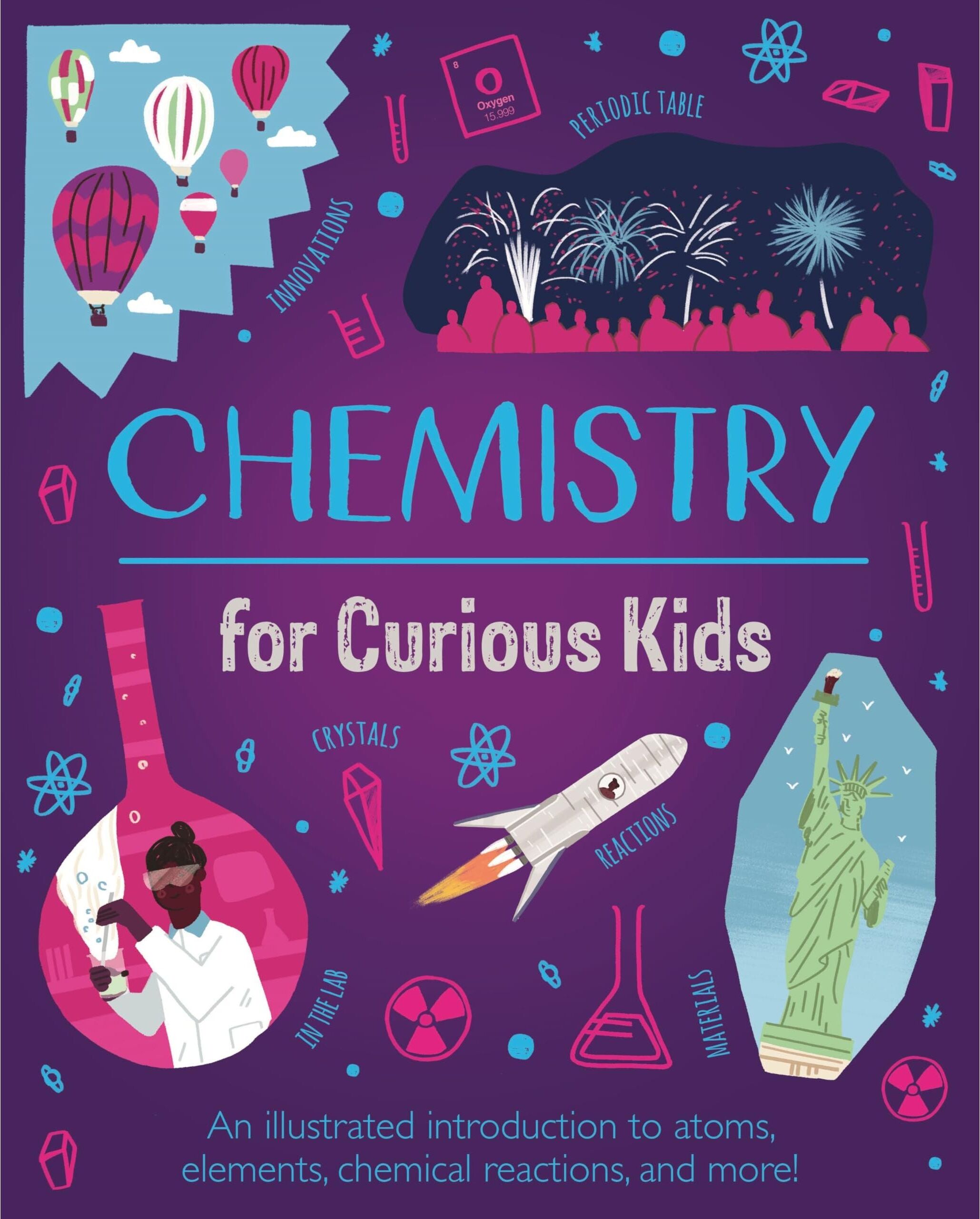
Arcturus Chemistry for Curious Kids: An Illustrated Introduction to Atoms, Elements, Chemical Reactions, and More! (Curious Kids, 2)Young readers can discover the wonders of chemistry with this accessible introduction, presented in a wonderful jacketed hardback format with full-colour illustrations. This inspirational book is packed with clear and engaging explanations of this fundamental topic, accompanied by beautiful illustrations by Alex Foster. Supporting STEM learning, this book is an ideal supplement to school education as it covers many core chemistry topics in an entertaining and easy-to-understand way. Big new concepts pop off the page thanks to vibrant diagrams and an engaging, energetic text. Kids will relish sharing them with friends and family! Young readers will love exploring exhilarating new ideas about: • Elements • Compounds • Molecules • Atoms • And much more! A great gift for readers aged 8-12.7,89 £*Shipping: 2,99 £Secure redirect to the provider
-
Our Voices: Neighborhood & Community Boxed SetFoster a feeling of belonging while building key reading skills with these colorful storybooks that spotlight a variety of neighborhoods and communities. The 10 charming stories feature characters from different cultural backgrounds who learn about...30,59 $*Shipping: 0,00 $Secure redirect to the provider
-
Smells Like Spells Rune Candle Frigga scented candle (home/partnership) 300 gSmells Like Spells Rune Candle Frigga, 300 g, Scented Candles Home Scents, The mood and atmosphere of a space can be changed instantly by fragrance. The Smells Like Spells Rune Candle Frigga scented candle fills your home with fragrance and creates a pleasant atmosphere for relaxation and those everyday moments spent on your own or with loved ones. The flickering, quietly crackling flame also adds a warm, soothing atmosphere to the room. Characteristics: a fresh fragrance citrus fragrance vegan product ideal as a gift handmade long burning time clean burning a luxurious accessory for any room Ingredients: 100% soy wax 100% natural ingredients free of synthetic colourants GMO-free paraffin-free non-toxic formula cotton wick How to use: For optimal burning, we recommend regularly trimming the wick down to the recommended length. Follow the instructions included.15,30 £*Shipping: 3,99 £Secure redirect to the provider
-
Why do atoms stick together?
Atoms stick together to form molecules through the sharing or transfer of electrons in order to achieve a more stable electron configuration. This stability is achieved by filling their outer electron shells, following the octet rule. Atoms can form bonds by sharing electrons (covalent bonds) or by transferring electrons (ionic bonds), which allows them to achieve a lower energy state and increase their overall stability. The type of bond formed between atoms depends on their electronegativity and the difference in their electron affinities. **
-
What causes atoms to stick together?
Atoms stick together through the electromagnetic force, which is the attraction between positively charged protons and negatively charged electrons. This force holds the electrons in orbit around the nucleus of the atom and also holds atoms together in molecules and compounds. When atoms share or transfer electrons, they can form chemical bonds, such as covalent or ionic bonds, which allow them to stick together and form larger structures. Additionally, the arrangement of atoms in a crystal lattice can also cause them to stick together through intermolecular forces. **
-
Can atoms be compressed and squeezed together?
Yes, atoms can be compressed and squeezed together under extreme conditions of pressure and temperature. When atoms are compressed, their electron clouds can overlap, leading to repulsive forces between the electrons. However, if the pressure is high enough, the atoms can be forced closer together, overcoming the repulsive forces and allowing the atoms to be compressed. This can result in changes to the physical and chemical properties of the material. **
-
Can atoms be condensed and compressed together?
Yes, atoms can be condensed and compressed together. When atoms are brought closer together, they can be compressed into a smaller volume, increasing their density. This can occur under high pressure and low temperature conditions, such as in the core of a star or during the formation of a solid material. The compression of atoms can lead to the formation of new structures and properties, such as in the case of diamond, where carbon atoms are compressed into a tightly-packed crystal lattice. **
Similar search terms for Atoms
-
Mamas & Papas Special Edition Liberty Collaboration Cold Weather Plus FootmuffThe Cold Weather Plus Footmuff by Mamas & Papas is the ultimate footmuff for cold weather protection, and features an extra-soft fleece lining. Ideal for keeping baby warm and cozy when out and about in cool weather, you can even zip down to a liner...150,00 $*Shipping: 0,00 $Secure redirect to the provider
-
Yealink MeetingBoard 65-inch 4K Interactive Collaboration Display (MB65-A001)Yealink MeetingBoard 65 (MB65-A001): a 65-inch 4K Ultra HD LED-backlit interactive touch display for meeting rooms, with built-in camera, microphone array and speakers for Microsoft Teams Rooms and Zoom Rooms. Runs Android with a built-in processor and Wi-Fi.3896,99 £*Shipping: 0,00 £Secure redirect to the provider
-
Which atoms can form a molecule together?
Atoms from different elements can form a molecule together through chemical bonding. This typically occurs when atoms share, gain, or lose electrons to achieve a stable electron configuration. Atoms from the same element can also form molecules, such as in the case of diatomic molecules like oxygen (O2) and nitrogen (N2). In general, atoms with incomplete outer electron shells are more likely to form molecules through bonding with other atoms. **
-
What are oxygen atoms and carbon atoms?
Oxygen atoms are the building blocks of the element oxygen, which is essential for life and makes up a large portion of the Earth's atmosphere. Oxygen atoms have 8 protons and typically 8 neutrons, giving them a total atomic mass of 16. They are known for their ability to form strong bonds with other elements, making them crucial for the formation of molecules such as water and carbon dioxide. Carbon atoms are the building blocks of the element carbon, which is a fundamental component of all known life on Earth. Carbon atoms have 6 protons and typically 6 neutrons, giving them a total atomic mass of 12. They are known for their ability to form long chains and complex structures, making them essential for the formation of organic molecules such as proteins, carbohydrates, and DNA. **
-
How do atoms come together to form molecules?
Atoms come together to form molecules through chemical bonding. This can occur through the sharing of electrons (covalent bonding), the transfer of electrons (ionic bonding), or the attraction between positive and negative charges (ionic bonding). The type of bonding that occurs depends on the elements involved and their electron configurations. Once atoms are bonded together, they form stable molecules with unique properties based on their composition and structure. **
-
Will adding protons to atoms create different atoms?
No, adding protons to atoms will not create different atoms. The number of protons in an atom determines its identity as a specific element. Adding protons to an atom will change its identity and create a different element. However, adding protons to an atom can create a different isotope of the same element, which will have a different atomic mass but the same chemical properties. **
* All prices are inclusive of VAT and, if applicable, plus shipping costs. The offer information is based on the details provided by the respective shop and is updated through automated processes. Real-time updates do not occur, so deviations can occur in individual cases. ** Note: Parts of this content were created by AI.