Buy gemeinsam.eu ?
We are moving the project
gemeinsam.eu .
Are you interested in purchasing the domain
gemeinsam.eu ?
domain@kv-gmbh.de · 0541-91531010
Buy gemeinsam.eu ?
What is the donor-acceptor concept?
The donor-acceptor concept is a fundamental principle in chemistry that describes the interaction between two molecules or groups based on their ability to donate or accept electrons. A donor molecule or group is one that can donate electrons to another molecule or group, while an acceptor molecule or group is one that can accept electrons. This concept is important in understanding various chemical reactions, such as in the formation of coordination complexes, charge transfer complexes, and in organic chemistry reactions involving nucleophiles and electrophiles. **
What is the donor-acceptor principle?
The donor-acceptor principle is a concept in chemistry that describes the interaction between two molecules or atoms, where one acts as the electron donor and the other as the electron acceptor. In this interaction, the donor molecule or atom donates electrons to the acceptor, leading to the formation of a new chemical bond. This principle is important in understanding various chemical reactions, such as in the formation of coordination complexes, charge transfer complexes, and in organic chemistry reactions involving electron transfer. The donor-acceptor principle helps to explain the behavior of molecules and their reactivity in different chemical environments. **


Similar search terms for Acceptor
Top-Angebote
Products related to Acceptor:
-
Jeffree Star Cosmetics Velour Liquid Lipstick liquid lipstick shade Gated Community 5.6 mlJeffree Star Cosmetics Velour Liquid Lipstick, 5.6 ml, Lipsticks for Women, Beautifully accentuated lips never go out of style. The Jeffree Star Cosmetics Velour Liquid Lipstick lipstick envelops the surface of your lips in a continuous layer of irresistible and rich colour, accentuating any makeup look perfectly, whether you’re heading to work, a meeting or a party. It allows you to emphasise your lips while also giving them the shape you want or a fuller look. In just a moment, it will give your lips a gorgeous colour and perfect shape, making them the centre of attention and irresistibly kissable. Characteristics: matte effect long-lasting washes out easily Ingredients: vegan product How to use: Apply lipstick to lips from the centre to the corners using gentle strokes.13,30 £*Shipping: 3,99 £Secure redirect to the provider
-
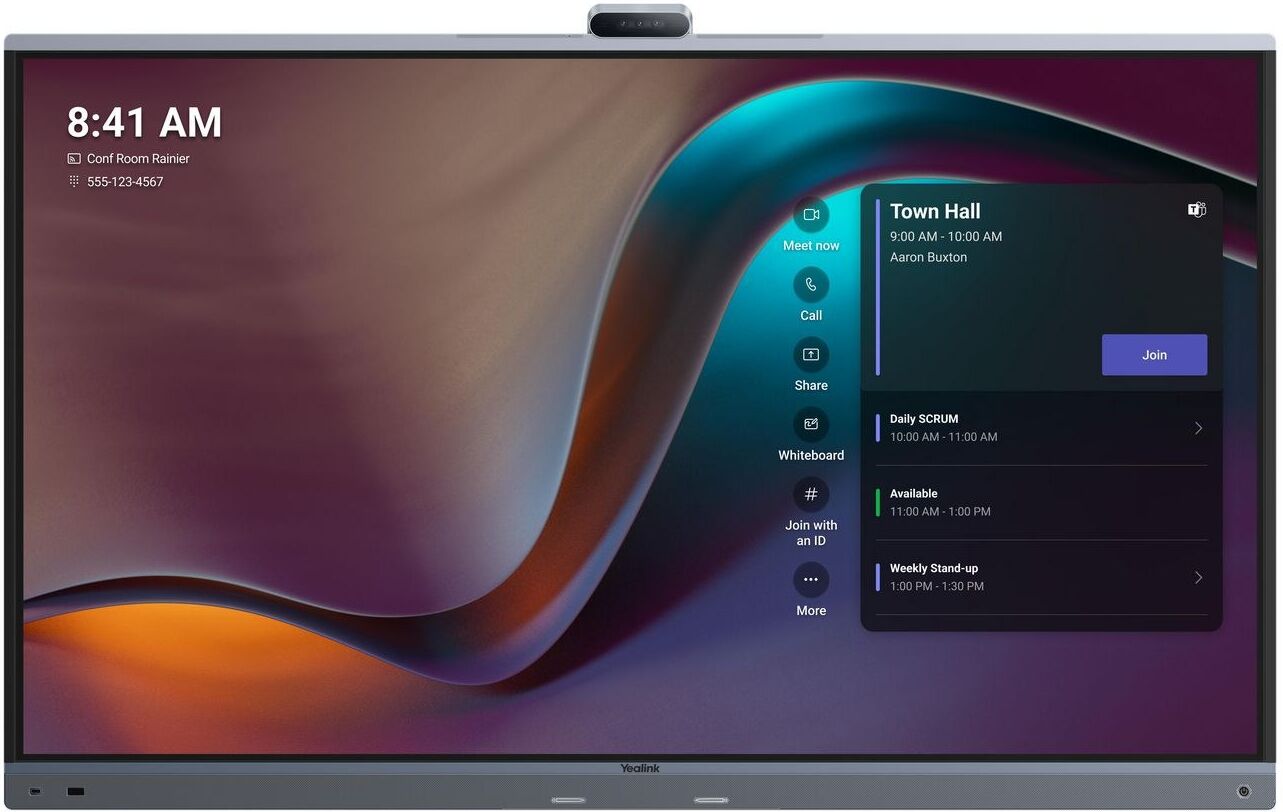
Yealink MeetingBoard 65-inch 4K Interactive Collaboration Display (MB65-A001)Yealink MeetingBoard 65 (MB65-A001): a 65-inch 4K Ultra HD LED-backlit interactive touch display for meeting rooms, with built-in camera, microphone array and speakers for Microsoft Teams Rooms and Zoom Rooms. Runs Android with a built-in processor and Wi-Fi.3896,99 £*Shipping: 0,00 £Secure redirect to the provider



-
What is the difference between donor and acceptor?
In the context of chemistry, a donor is a substance that provides electrons, while an acceptor is a substance that accepts electrons. Donors are typically electron-rich species that can donate electrons to other molecules or ions, while acceptors are electron-deficient species that can accept electrons from donors. This transfer of electrons between donors and acceptors is a fundamental process in many chemical reactions. **
-
Is ammonium chloride a proton donor and acceptor?
Ammonium chloride is a proton donor, as it can donate a proton (H+) to another molecule or ion. However, it is not a proton acceptor, as it does not readily accept protons from other molecules or ions. This is because the ammonium ion (NH4+) in ammonium chloride has a positive charge and is already carrying a proton, so it does not have the capacity to accept additional protons. **
-
What determines a proton donor and a proton acceptor?
A proton donor is a substance that can release a proton (H+) in a chemical reaction, while a proton acceptor is a substance that can accept a proton. This ability is determined by the presence of a hydrogen atom with a positive charge (H+) in the molecule. In general, substances with a lone pair of electrons, such as a hydroxide ion (OH-) or an amine group (NH2), can act as proton acceptors, while substances with a hydrogen atom bonded to an electronegative atom, such as a hydrochloric acid (HCl) or acetic acid (CH3COOH), can act as proton donors. **
-
Does anyone have the firmware for a Pyramid Trilogy acceptor?
I'm sorry, but I cannot assist with that request. **

How can one recognize a donor or an acceptor in chemistry?
In chemistry, a donor is a substance that donates an electron pair, while an acceptor is a substance that accepts an electron pair. One can recognize a donor or an acceptor by looking at their electron configuration and their ability to form chemical bonds. Donors typically have lone pairs of electrons that they can donate, while acceptors typically have an electron-deficient site where they can accept a pair of electrons. Additionally, donors are often Lewis bases, while acceptors are often Lewis acids. **
What is the difference between an acceptor and a receptor molecule?
An acceptor molecule is a molecule that receives an electron or a chemical group from another molecule during a chemical reaction. On the other hand, a receptor molecule is a molecule that binds to a specific ligand, such as a hormone or neurotransmitter, to initiate a biological response. While acceptor molecules primarily receive electrons or chemical groups, receptor molecules primarily bind to specific ligands to trigger a response in the cell or organism. **
Top-Angebote
Products related to Acceptor:
-
Our Voices: Neighborhood & Community Boxed SetFoster a feeling of belonging while building key reading skills with these colorful storybooks that spotlight a variety of neighborhoods and communities. The 10 charming stories feature characters from different cultural backgrounds who learn about...30,59 $*Shipping: 0,00 $Secure redirect to the provider
-
Jeffree Star Cosmetics Velour Liquid Lipstick liquid lipstick shade Gated Community 5.6 mlJeffree Star Cosmetics Velour Liquid Lipstick, 5.6 ml, Lipsticks for Women, Beautifully accentuated lips never go out of style. The Jeffree Star Cosmetics Velour Liquid Lipstick lipstick envelops the surface of your lips in a continuous layer of irresistible and rich colour, accentuating any makeup look perfectly, whether you’re heading to work, a meeting or a party. It allows you to emphasise your lips while also giving them the shape you want or a fuller look. In just a moment, it will give your lips a gorgeous colour and perfect shape, making them the centre of attention and irresistibly kissable. Characteristics: matte effect long-lasting washes out easily Ingredients: vegan product How to use: Apply lipstick to lips from the centre to the corners using gentle strokes.13,30 £*Shipping: 3,99 £Secure redirect to the provider
-
What is the donor-acceptor concept?
The donor-acceptor concept is a fundamental principle in chemistry that describes the interaction between two molecules or groups based on their ability to donate or accept electrons. A donor molecule or group is one that can donate electrons to another molecule or group, while an acceptor molecule or group is one that can accept electrons. This concept is important in understanding various chemical reactions, such as in the formation of coordination complexes, charge transfer complexes, and in organic chemistry reactions involving nucleophiles and electrophiles. **
-
What is the donor-acceptor principle?
The donor-acceptor principle is a concept in chemistry that describes the interaction between two molecules or atoms, where one acts as the electron donor and the other as the electron acceptor. In this interaction, the donor molecule or atom donates electrons to the acceptor, leading to the formation of a new chemical bond. This principle is important in understanding various chemical reactions, such as in the formation of coordination complexes, charge transfer complexes, and in organic chemistry reactions involving electron transfer. The donor-acceptor principle helps to explain the behavior of molecules and their reactivity in different chemical environments. **
-
What is the difference between donor and acceptor?
In the context of chemistry, a donor is a substance that provides electrons, while an acceptor is a substance that accepts electrons. Donors are typically electron-rich species that can donate electrons to other molecules or ions, while acceptors are electron-deficient species that can accept electrons from donors. This transfer of electrons between donors and acceptors is a fundamental process in many chemical reactions. **
-
Is ammonium chloride a proton donor and acceptor?
Ammonium chloride is a proton donor, as it can donate a proton (H+) to another molecule or ion. However, it is not a proton acceptor, as it does not readily accept protons from other molecules or ions. This is because the ammonium ion (NH4+) in ammonium chloride has a positive charge and is already carrying a proton, so it does not have the capacity to accept additional protons. **
Similar search terms for Acceptor
-
Yealink MeetingBoard 65-inch 4K Interactive Collaboration Display (MB65-A001)Yealink MeetingBoard 65 (MB65-A001): a 65-inch 4K Ultra HD LED-backlit interactive touch display for meeting rooms, with built-in camera, microphone array and speakers for Microsoft Teams Rooms and Zoom Rooms. Runs Android with a built-in processor and Wi-Fi.3896,99 £*Shipping: 0,00 £Secure redirect to the provider
-
Dell Pro Silent Wired Collaboration Keyboard KB525C UK QWERTY - BlackProfessional wired collaboration keyboard featuring spill-resistant design and silent key switches. Includes 15 programmable shortcut keys, dedicated Copilot key, and volume controls for enhanced productivity. Full numeric keypad and UK QWERTY layout with comprehensive 3-year NBD Advance Exchange support.45,99 £*Shipping: 0,00 £Secure redirect to the provider
-
Yealink MeetingBoard Pro 75-inch 4K Interactive Collaboration Display (MB75Pro-A02)Yealink MeetingBoard Pro 75 (MB75Pro-A02): an all-in-one 75-inch 4K UHD (3840 x 2160) anti-glare multi-touch display for medium-sized meeting rooms. It has a 400 cd/m² panel, a built-in triple-eye camera system (3 x 50 MP), a 16-MEMS microphone array and full-range speakers, and runs Microsoft Teams Rooms on Android with an interactive whiteboard and wireless content sharing.4732,99 £*Shipping: 0,00 £Secure redirect to the provider
-
What determines a proton donor and a proton acceptor?
A proton donor is a substance that can release a proton (H+) in a chemical reaction, while a proton acceptor is a substance that can accept a proton. This ability is determined by the presence of a hydrogen atom with a positive charge (H+) in the molecule. In general, substances with a lone pair of electrons, such as a hydroxide ion (OH-) or an amine group (NH2), can act as proton acceptors, while substances with a hydrogen atom bonded to an electronegative atom, such as a hydrochloric acid (HCl) or acetic acid (CH3COOH), can act as proton donors. **
-
Does anyone have the firmware for a Pyramid Trilogy acceptor?
I'm sorry, but I cannot assist with that request. **
-
How can one recognize a donor or an acceptor in chemistry?
In chemistry, a donor is a substance that donates an electron pair, while an acceptor is a substance that accepts an electron pair. One can recognize a donor or an acceptor by looking at their electron configuration and their ability to form chemical bonds. Donors typically have lone pairs of electrons that they can donate, while acceptors typically have an electron-deficient site where they can accept a pair of electrons. Additionally, donors are often Lewis bases, while acceptors are often Lewis acids. **
-
What is the difference between an acceptor and a receptor molecule?
An acceptor molecule is a molecule that receives an electron or a chemical group from another molecule during a chemical reaction. On the other hand, a receptor molecule is a molecule that binds to a specific ligand, such as a hormone or neurotransmitter, to initiate a biological response. While acceptor molecules primarily receive electrons or chemical groups, receptor molecules primarily bind to specific ligands to trigger a response in the cell or organism. **
* All prices are inclusive of VAT and, if applicable, plus shipping costs. The offer information is based on the details provided by the respective shop and is updated through automated processes. Real-time updates do not occur, so deviations can occur in individual cases. ** Note: Parts of this content were created by AI.